
Water Polo
A Sport of Strength, Strategy, and Team Spirit
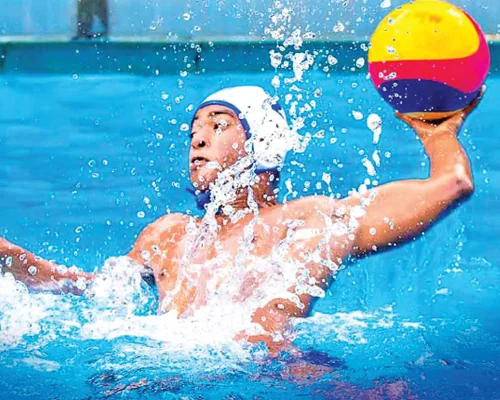
Water Polo is one of the most exciting and physically demanding aquatic sports governed by Sri Lanka Aquatic Sports. Often described as a combination of swimming, basketball, and handball played in water, the sport demands exceptional endurance, tactical awareness, teamwork, and determination.
In Sri Lanka, Water Polo has developed into a highly competitive sport, particularly within school aquatic programs. Over the years, it has grown into a respected discipline that continues to produce talented athletes and thrilling competitions.
History of Water Polo in Sri Lanka
Early Beginnings
Water Polo was introduced to Sri Lanka during the early development of organized aquatic sports in the country. Initially, the sport was mainly played in a few leading schools and aquatic clubs where swimming programs were already established.
The early matches were informal and primarily organized during school aquatic meets and inter-club competitions. Despite limited facilities and exposure, the enthusiasm of young athletes helped the sport gain popularity.
Expansion Through School Sports
During the mid to late twentieth century, Water Polo began to expand rapidly through Sri Lanka’s strong school sports culture. Several leading schools embraced the sport and began training dedicated Water Polo teams.
School tournaments soon became the foundation for the sport’s growth. These competitions introduced structured training, regular matches, and improved technical knowledge among players and coaches.
As the sport gained momentum, it also started attracting spectators due to its fast-paced and competitive nature.
Organized National Development
With the support and governance of Sri Lanka Aquatic Sports, Water Polo gradually became more structured and professionally organized.
Important developments included:
These developments helped elevate Water Polo from a recreational activity to a recognized competitive sport in Sri Lanka.
The Game of Water Polo
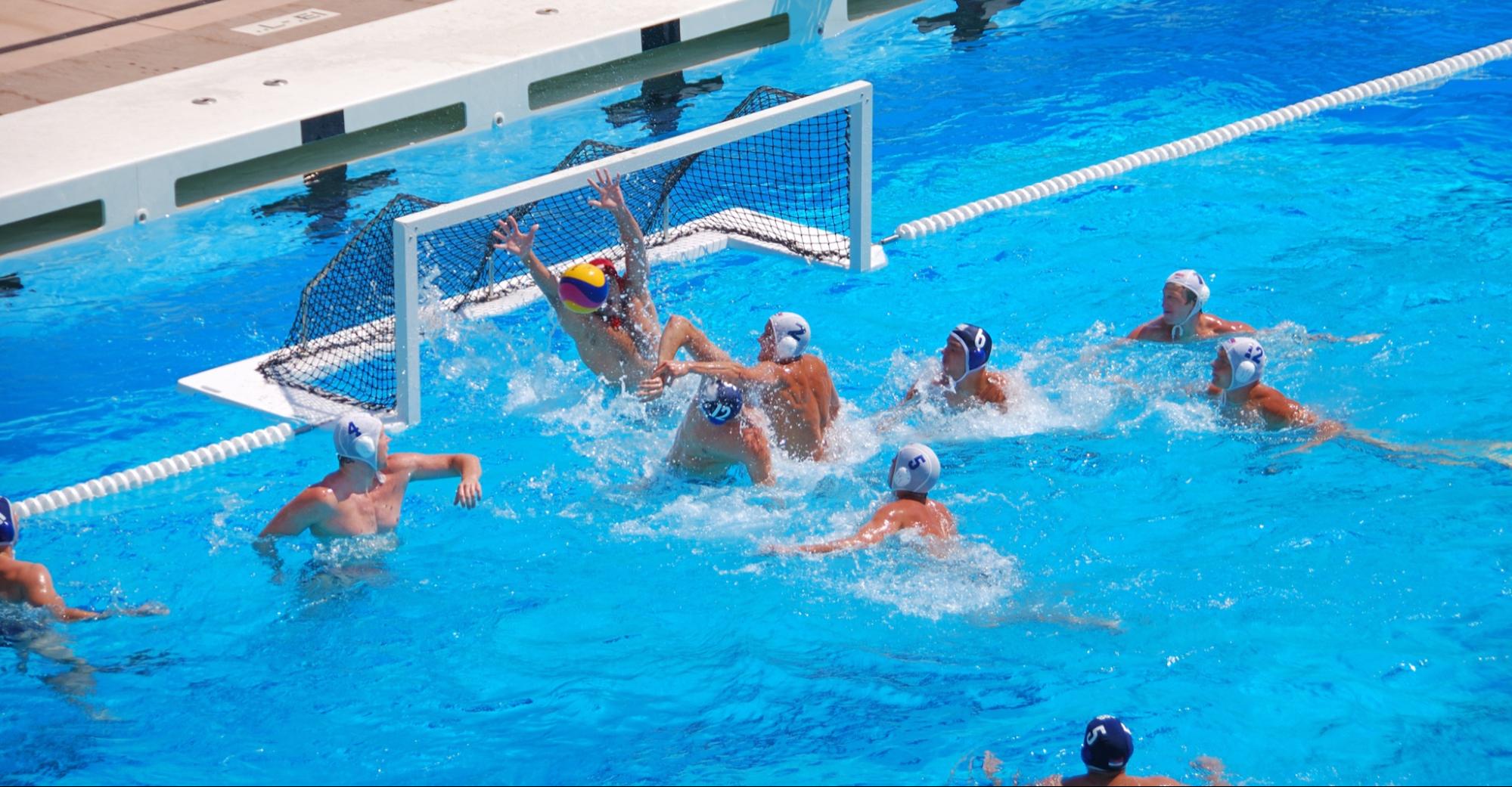
Water Polo is played between two teams, each consisting of seven players in the water — six field players and one goalkeeper.
The objective of the game is simple: score more goals than the opposing team by throwing the ball into the opponent's goal.
Skills Required in Water Polo
Water Polo athletes must develop a unique combination of skills, including:
Swimming Strength
Players must swim continuously throughout the game while maintaining speed and agility.
Ball Control
Handling and passing the ball accurately while treading water is a critical skill.
Tactical Awareness
Teams rely on coordinated strategies to create scoring opportunities and defend their goal.
Physical Endurance
Water Polo is one of the most physically demanding aquatic sports, requiring excellent cardiovascular fitness.
Teamwork
Success depends on communication, coordination, and trust among teammates.
Competitions in Sri Lanka
Sri Lanka Aquatic Sports organizes and supports various Water Polo competitions that help develop athletes and promote the sport nationwide.
These include:
These tournaments provide valuable opportunities for athletes to gain competitive experience and improve their performance.
Athlete Development
The development of Water Polo in Sri Lanka is closely linked to swimming programs and youth training initiatives.
Sri Lanka Aquatic Sports focuses on:
Through these initiatives, young athletes are guided from beginner-level participation to competitive performance.
The Future of Water Polo in Sri Lanka
Sri Lanka Aquatic Sports envisions a strong and competitive future for Water Polo.
Key goals include:
With its thrilling pace and team-oriented spirit, Water Polo has the potential to become one of the most widely followed aquatic sports in Sri Lanka.